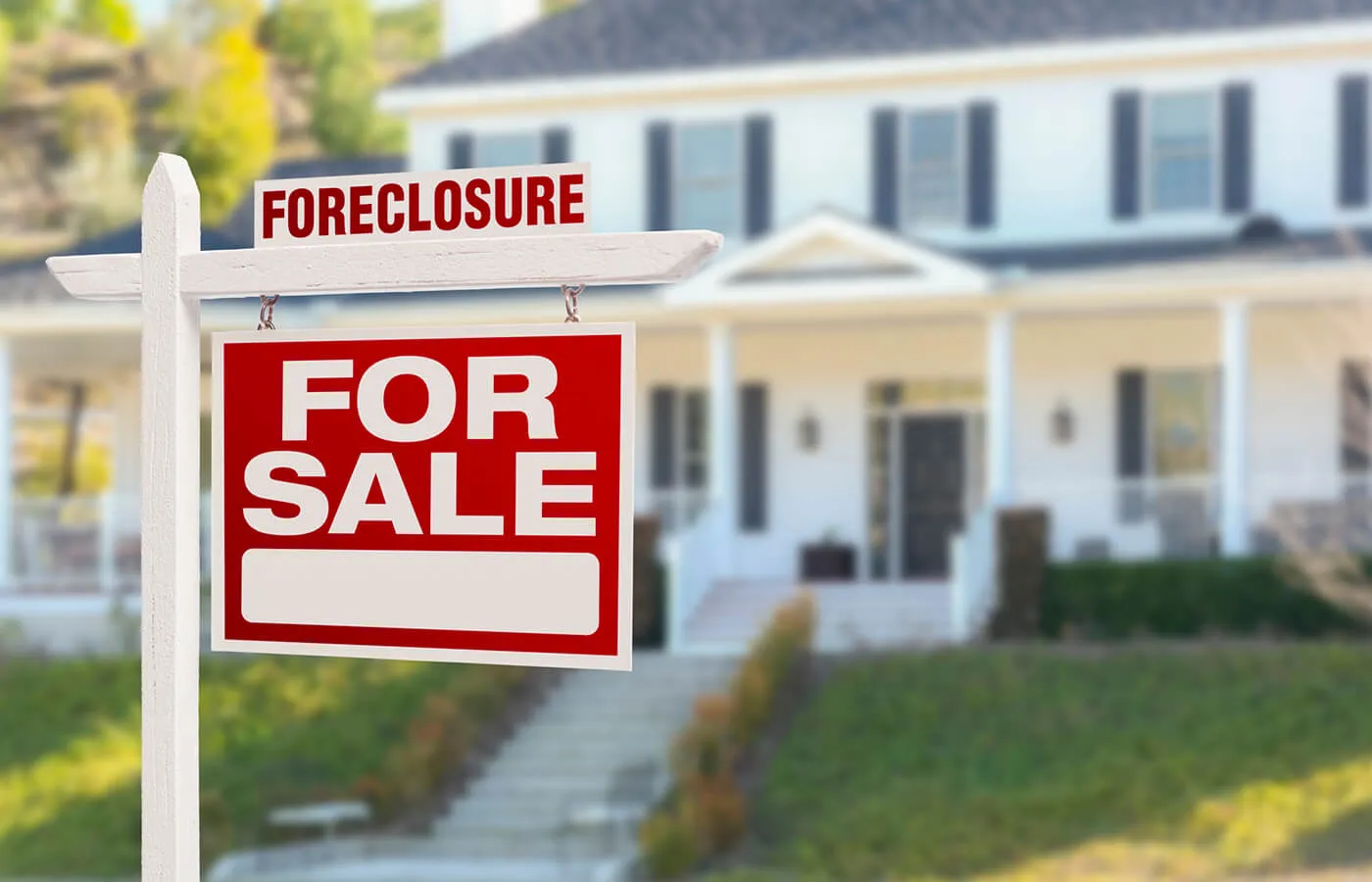
What Foreclosure Means
Foreclosure happens when a homeowner fails to make mortgage payments, and the lender takes back the property to recover the unpaid debt.
For real estate investors, these properties can offer below-market opportunities but only if handled with the right strategy and due diligence.
Why Foreclosures Matter to Investors
-
Discounted Pricing
Banks and lenders are motivated to sell quickly. Investors often acquire properties at 10%–40% below market value. -
Higher Potential Returns
When you buy at a discount, you leave room for appreciation, rental income, or fix-and-flip profit. -
Multiple Exit Strategies
You can:-
Flip after renovation
-
Rent for long-term cash flow
-
Wholesale to another investor
-
-
Motivated Sellers
In pre-foreclosure, homeowners are often open to creative financing subject-to deals, lease options, or short sales.
The Foreclosure Process (Simplified)
-
Missed Payments – The borrower falls behind, usually by 90 days.
-
Notice of Default – The lender issues a public notice of delinquency.
-
Auction or Sheriff’s Sale – The property is sold to recover the loan balance.
-
Bank-Owned (REO) – If unsold at auction, it becomes an REO property listed by the bank.
Understanding where a property sits in this process helps you target the right deals at the right time.
How to Find Foreclosure Deals
-
County Courthouse Notices – Public records of upcoming auctions.
-
Online Databases – Zillow, Auction.com, and Foreclosure.com.
-
Real Estate Agents – Many specialize in REO listings.
-
Direct Outreach – Contact homeowners in pre-foreclosure through public data.
Key Risks to Watch
-
Hidden Liens or Back Taxes
Always check title reports before purchase. -
Property Condition
Many foreclosures are sold “as-is.” Include repair costs in your analysis. -
Competition
Auctions attract investors. Bid wisely and set firm limits. -
Legal Delays
Some states have long redemption periods where owners can reclaim the property.
Smart Investor Tips
-
Always perform a full title search.
-
Get contractor estimates before making offers.
-
Use cash or hard-money financing for faster closings.
-
Focus on neighborhood stability and after-repair value (ARV).
Final Thoughts
Foreclosures can be a solid entry point into real estate investing when you approach them with discipline, research, and a clear plan. The best investors balance opportunity with caution — buying value, not trouble.
If you’re ready to explore distressed property investing, start small, learn your local market, and work with professionals who understand the foreclosure process.
By Abdullah Asif - Ovis Solutions